The Blood of Dawnwalker Game Overview — Story, World & Systems — Wiki & Guide
Published 2026-09-175 min read
The essential primer for The Blood of Dawnwalker: the 14th-century vampire invasion premise, Coen's dual day-night nature, and the open-world systems that shape every run.
Before you spend your first hour in the valley, it helps to know what kind of game The Blood of Dawnwalker actually is: a dark fantasy open-world action RPG set in 14th-century Europe, built around a deadline. Your family has thirty days. Everything else — this page included — is about using them well.
The story premise
The stage is 14th-century Europe: decades of war have ground the land down, and the Black Death keeps the survivors afraid of one another. Into this darkness, at humanity's weakest moment, the vampires emerge. After millennia of hiding, they step out of the shadows claiming freedom and dominion — and the other creatures of the night flock to their banner. History, as we know it, quietly ends.
You play Coen, a young man transformed into a Dawnwalker through a twist of fate — a being fated to walk the line between the world of day and the world of night. His family is held in the valley of Vale Sangora, and the clock on rescuing them is the game's spine. Every choice you make either guards your remaining humanity or leans into the curse's power to get them back sooner. The question the game keeps asking is the one on the box: your soul, or the lives of the people you love?
How it plays
- Shape the story your way. Rescue your family, take revenge on the one who turned you, or raze everything that stands in your path — the plot bends toward how you play, not a single golden path.
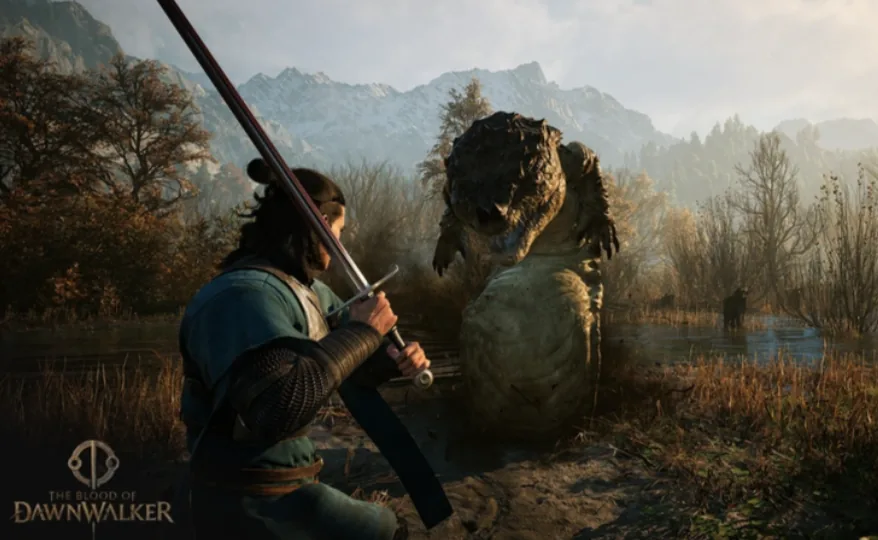
- Two forms, two toolkits. By day Coen fights as a human with sword and magic; by night he unleashes vampiric powers — claws, shadow-step traversal, and abilities that ignore the rules of the day. Both forms have strengths and weaknesses, and the game makes you fluent in both.
- A handcrafted open world. Dense forests, open plains, treacherous marshes, steep mountains and medieval villages — plus forgotten ruins holding the secrets of older civilizations.
- Allies optional, consequences permanent. Walk alone or gather friends and unusual allies. Quests you ignore may not wait for you.
The system that changes everything: time
Here is the twist that makes Dawnwalker unlike its peers: your enemies do not wait, and neither does the calendar. Taking on a task burns time, and the days tick toward an ending whether you are ready or not. You cannot help everyone — deciding who to help and who to leave behind is the game's real difficulty setting.
That deadline touches every system on this wiki: how quests chain together on Day 1, how the 30-day timer can be extended, and how the seven endings sort themselves out. Start with the prologue walkthrough, and take your first steps in Laslea Glen knowing what the clock is doing.
Keep reading: